

How Death Cleanup Services Provide Emotional Relief
Grief and trauma are inevitable responses to the loss of a loved one, especially in cases of sudden or violent death. The aftermath of such events often leaves family members overwhelmed by both emotional and practical concerns. BioHazard Cleaning, or forensic cleaning, plays a crucial role in providing not only physical restoration but also emotional relief to those affected by these tragic events. This article explores how death cleanup services help alleviate grief and trauma, offering support during one of life’s most challenging times.
Understanding the Emotional Impacts of Traumatic Deaths
The sudden death of a loved one can be a profoundly traumatic experience. When death occurs under violent or unexpected circumstances, the emotional toll is even greater. Family members and friends are often left to navigate a complex web of emotions, including shock, disbelief, anger, guilt, and profound sadness. The presence of a death scene, with its physical reminders of the trauma, can exacerbate these feelings, making it difficult for survivors to begin the healing process.
Trusting the Role of Death Cleanup Services
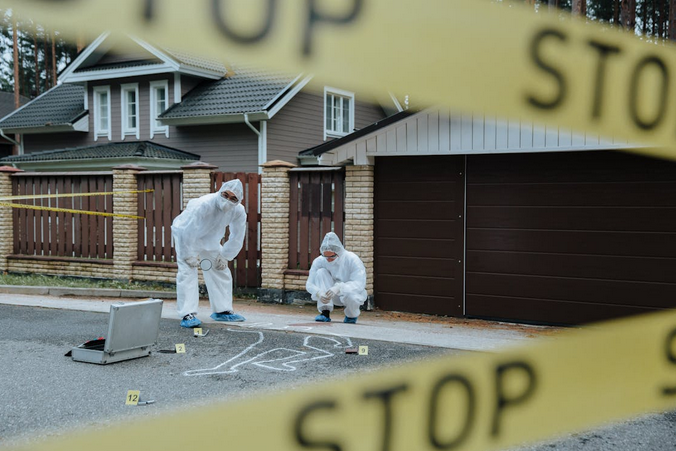
Death cleanup services are specialized in handling the aftermath of traumatic events such as suicides, homicides, and unattended deaths. These professionals are trained to manage biohazardous materials, ensuring that the affected environment is thoroughly cleaned, sanitized, and restored. While the primary goal is to address the physical aspects of the scene, the services provided extend far beyond cleaning. Here’s how they contribute to emotional relief:
Reducing Visual Triggers
One of the immediate benefits of death cleanup services is the removal of visual triggers that can cause re-traumatization. Bloodstains, bodily fluids, and other remnants of the event serve as constant, painful reminders of the tragedy. By thoroughly cleaning and sanitizing the scene, these professionals help eliminate these distressing visuals, allowing family members to reclaim their space without the burden of traumatic memories.
Providing a Safe and Clean Environment
After a traumatic death, the environment is often contaminated with biohazardous materials that pose significant health risks. Death cleanup professionals ensure that all hazardous substances are safely removed, reducing the risk of infections and other health complications. Creating a safe and clean environment is crucial for the well-being of survivors, allowing them to focus on their emotional recovery without the added concern of physical health risks.
Offering Compassionate Support
Death cleanup professionals are trained not only in technical skills but also in providing compassionate support to grieving families. They understand the sensitive nature of their work and approach each situation with empathy and respect. Their presence offers a sense of relief, knowing that experienced professionals are handling the difficult task of cleaning up, which allows family members to focus on their emotional needs and begin the grieving process.
Alleviating the Burden on Families
The aftermath of a traumatic death often involves a myriad of practical concerns that can overwhelm grieving family members. Handling the cleanup process personally can be an emotionally and physically taxing task. By entrusting this responsibility to trained professionals, families are relieved of the burden of dealing with the aftermath themselves. This allows them to dedicate their time and energy to mourning and supporting each other, which is vital for emotional healing.
Enabling the Healing Process
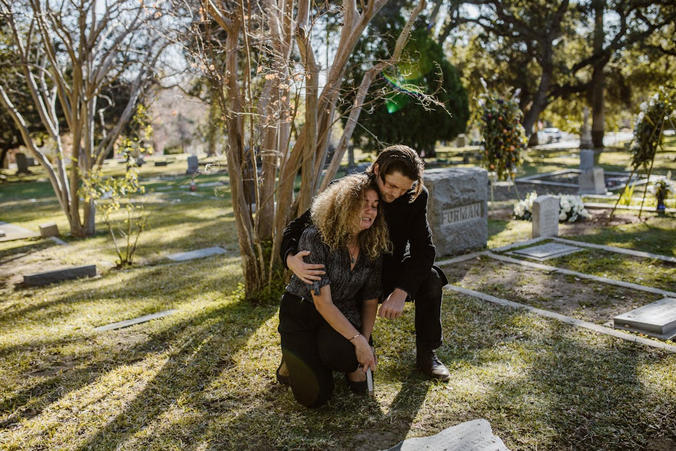
A clean and restored environment plays a significant role in the healing process. It allows family members to hold memorial services, gather with loved ones, and create a space for remembrance without the intrusive reminders of the traumatic event. The physical restoration of the environment facilitates emotional closure, helping survivors to move forward and begin the process of healing.
Providing Closure
In many cases, the thorough cleaning and restoration of the scene can provide a sense of closure. Knowing that the physical remnants of the traumatic event have been professionally addressed allows family members to begin the process of emotionally processing the loss. This sense of closure is an essential step in the grieving process, enabling survivors to start the journey towards acceptance and healing.
Death cleanup services offer invaluable support to families dealing with the aftermath of traumatic deaths. By addressing the physical cleanup and providing a compassionate, respectful presence, these professionals play a critical role in alleviating the emotional burden of grief and trauma. Their work helps to reduce visual triggers, create a safe environment, and enable the healing process, providing much-needed relief during one of life’s most challenging times. Through their dedicated efforts, death cleanup professionals help survivors navigate the difficult path of grief and begin the journey toward emotional recovery.